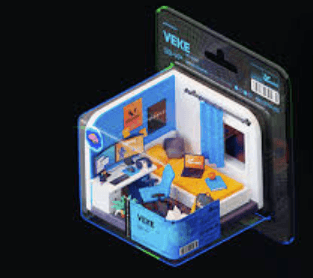
Digital collectibles have evolved from novelty tokens to assets anchored in verifiable blockchain provenance. Early experiments demonstrated scarcity and ownership, while user-friendly wallets and liquid markets spurred adoption. Interoperable protocols and open standards broadened use cases, enabling cross-platform utility and creator monetization. As governance and provenance become central, price discovery and liquidity hinge on security, transparency, and community input. The trajectory suggests further integration into mainstream ecosystems, but questions remain about sustainability and equitable value distribution.
What Are Digital Collectibles, and Why They Matter
Digital collectibles are unique, verifiable assets that exist on a blockchain or similar distributed ledger, enabling scarcity, provenance, and verifiable ownership without intermediaries.
They redefine value transfer by tying rights to tokens rather than central authorities.
In this framework, digital ownership underpins trust, while the creator economy benefits from direct monetization, licensing clarity, and transparent provenance across ecosystems.
How Digital Collectibles Went From Niche Experiments to Mainstream Markets
The emergence of mainstream markets for digital collectibles can be traced to practical deployments that demonstrated scalable provenance, liquid secondary trading, and user-friendly interfaces.
These implementations unlocked digital scarcity as a core value driver, enabling confident consumer investment.
Market maturation hinged on standardized royalties for creators, fostering sustainable ecosystems.
As adoption broadened, platforms balanced accessibility with disciplined governance, reinforcing resilient, freedom-oriented participation beyond niche experiments.
The Tech That Powers Digital Collectibles
The technology stack behind digital collectibles integrates blockchain-based provenance, scalable token standards, and secure digital wallets to enable verifiable ownership and transferability. This framework underpins concept monetization and scalable markets, emphasizing interoperability standards to ensure cross-platform utility. The approach favors modular, open protocols, reducing friction for creators and buyers while maintaining security and auditability across ecosystems.
See also: How Web3 Changes Internet Architecture
Community, Provenance, and the Value of Digital Collectibles
How do communities, provenance, and perceived value intertwine in the realm of digital collectibles to shape market dynamics, trust, and long-term sustainability?
The analysis identifies provenance design as a driver of authenticity, while community governance steers decision-making and rule enforcement. These elements influence price discovery, risk assessment, and resilience, fostering investor confidence and scalable, transparent ecosystems for the freedom-seeking audience.
Conclusion
Digital collectibles have matured from niche experiments into scalable, provenance-driven markets built on open protocols, secure wallets, and creator royalties. This evolution emphasizes trust, interoperability, and community governance as levers for value and resilience. A real-world case—NBA Top Shot’s licensed moments—illustrates how verifiable scarcity and liquid secondary markets can convert fan affinity into durable liquidity. As provenance and governance mature, cross-platform utility and transparent monetization are likely to sustain sustainable price discovery and broader adoption.
